
PCOD vs PCOS: They’re Not the Same Thing and the Difference Actually Matters
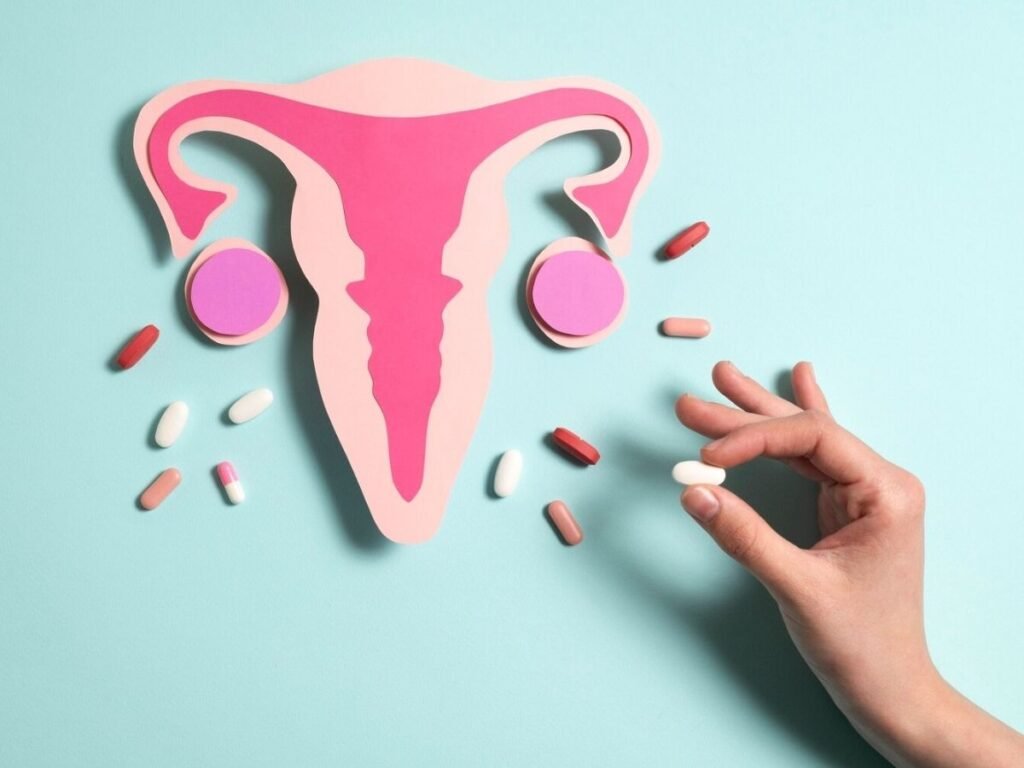
The terms are regularly interchanged among patients, by family members, and sometimes by medical practitioners who lack expert knowledge in this discipline. This misunderstanding is predictable, since the nomenclature resembles, the clinical manifestations coincide significantly, and both diseases are characterized by the abnormal production of ovarian hormones.
However, PCOD vs PCOS are entirely different medical conditions that can be characterized by their own etiology, range of severity, and treatment. The pcod and pcos difference is not an academic game, but one that tells clinical decision-making directly.
Let me explain it as plainly as I can.
In This Blog
What PCOD Actually Is

Polycystic Ovarian Disease (PCOD) is characterized by the oocyte release that is not fully mature or immature. Such oocytes do not follow the normal developmental pattern, but instead proceed to gather and develop small cysts within the ovaries thus block normal ovulation.
The ovaries therefore give a small amount of androgens above normal physiological levels. Common pcod symptoms include abnormal menstrual cycles, slight weight gain, slight acne and thinning of hair. These symptoms are not only painful but also not very serious in many women with PCOD; fertility can be low but conception can still be achieved normally.
The important thing about PCOD: it’s often reversible. Lifestyle changes, diet, exercise, stress management, sleep, can meaningfully reduce symptoms and, in many cases, restore regular cycles. It doesn’t require long-term medication in most cases.
What PCOS Is And Why It’s More Serious

A different level of pathology is known as Polycystic Ovary Syndrome (PCOS). It is an endocrine and metabolic disorder concerning the whole body. Androgens in PCOS are significantly high in ovaries.
At the same time, insulin resistance in PCOS is often formed; the tissues of a body become less sensitive to insulin and this stimulates the pancreas to produce more insulin, which again leads to another increase in androgen production. This vicious circle results in chronic anovulation, abnormal or absent cycles, major hormonal imbalance, and in the long run an increased risk of type 2 diabetes, heart diseases, and endometrial complications.
Common pcos symptoms include irregular or absent periods, unexplained weight gain, persistent acne, excess facial or body hair, scalp hair thinning, mood changes and low energy. The prevalence of polycystic ovary syndrome Pakistan is a growing concern, Approximately 6-13% South Asian women show higher rates and more severe metabolic sequelae due to genetic predisposition and urban lifestyle patterns.
PCOS hardly gets a total reversal similar to PCOD. Although it is controllable, management normally incorporates both lifestyle changes and medicine, but does not make use of either of the two.
PCOD vs PCOS: The Key Differences Side by Side
Cause. PCOD is primarily lifestyle-driven, diet, inactivity, stress, mild hormonal imbalance. PCOS has a stronger genetic component and involves deeper metabolic dysfunction.
Severity. PCOD is milder. PCOS is more serious with systemic consequences beyond the ovaries.
Hormones. Both involve elevated androgens, but PCOS involves significantly higher levels and adds insulin resistance to the picture.
Fertility. PCOD creates some fertility challenges but pregnancy is generally achievable. PCOS is the most common cause of ovulatory infertility, though infertility is not inevitable and many women with PCOS conceive with appropriate treatment.
Reversibility. PCOD can often be resolved or significantly improved with lifestyle changes. PCOS requires ongoing management, it doesn’t go away.
Treatment. PCOD: diet, exercise, weight management, sometimes short-term hormonal support. PCOS: all of those plus often metformin for insulin resistance, hormonal therapy for cycle regulation, and fertility treatments when pregnancy is the goal.
Symptoms: Why Women Get Confused
The overlap in symptoms is high to an extent that without proper testing, clinical differentiation becomes difficult. Side effects of both can manifest the following: irregular periods; gain of weight or inability to lose weight; the development of focal acne, especially on the jawline and chin; excessive hair on the body or head; loss of scalp hair; changes in mood, irritability, and insufficient energy.
Patients with PCOS have more severe and persistent symptoms. Nonetheless, mild PCOS and moderate PCOD can come almost in the same way. Therefore, self-diagnosis, which consists of symptom description only, or anecdotal recommendations by family members or friends, is not dependable. To do proper differentiation, blood tests and ultrasound imaging have to be carried out and interpreted by clinicians who are already aware of these disorders.
How PCOS and PCOD Are Diagnosed
In the case of PCOS, clinicians resort to Rotterdam Criteria for pcos diagnosis, which imply the presence of at least two of the following three: irregular or absent periods, high levels of androgens (identified either biochemically or clinically), and polycystic ovaries appearing in the ultrasound.
Hormonal profile is determined in detail, including luteinizing hormone, follicle-stimulating hormone, testosterone, dehydroepiandrosterone, prolactin, and thyroid activity because thyroid disorders may also lead to similar symptoms and should be ruled out. Insulin resistance is evaluated by the measurement of fasting glucose and insulin, and cardiovascular risk is assessed by a lipid profile.
PCOD lacks a formal definition, and it is frequently diagnosed when ovarian cysts are exhibited on ultrasound with detection of only mild hormonal abnormalities which are not adequate to meet full PCOS criteria. The delineation between the two is hence not in all cases definite, which adds to their constant confusion.
Management: What Actually Helps
In both conditions, lifestyle modification is the basic strategy of pcos treatment. It is not an adjunct but rather an essential intervention, particularly in PCOD.
The pcos diet matters enormously, especially because insulin resistance in PCOS is a major driver of the condition. A high-fibre, low-glycaemic, protein-rich and healthy-fat-based diet, with minimal refined carbohydrates, added sugar and processed foods, has a direct positive effect on insulin sensitivity and lowers androgenicity and decreases androgenicity. It is a physiological treatment as opposed to a non-persistent fad.
The insulin sensitivity level of regular exercise is significant; even moderate aerobic exercise that lasts at least thirty minutes on a regular basis provides significant improvements in the biomarkers of PCOS.
The two groups benefit in weight management, but PCOS complicates weight loss since the underlying insulin resistance complicates the process, the hormonal environment promotes adiposity, and efforts to blame the patient as having limited metabolic control are erroneous and counterproductive.
Medically, metformin is regularly used in the PCOS as an insulin-sensitizing agent; medications that may be used pharmacologic are hormonal medications to regulate the cycle and, when suitable, medications that are fertilizing.
PCOS and Pregnancy

One of the most common questions I hear is about pcos and pregnancy. The answer is reassuring but honest: PCOS is the most common cause of ovulatory infertility, but it does not make pregnancy impossible. Many women with PCOS conceive naturally; others require ovulation induction or assisted reproduction. Early diagnosis and proper management significantly improve outcomes.
Women with PCOD generally face fewer fertility complications, though irregular ovulation means timing and monitoring still matter.
When to Come In
If your periods are consistently irregular, more than 35 days apart, or fewer than eight cycles per year, get it investigated. Don’t wait for it to “sort itself out.” If you have significant acne or facial hair that’s getting worse. If you’ve been trying to conceive for six months without success and have any of the above symptoms. These things have answers. The sooner you get a proper diagnosis, the sooner you can do something meaningful about it.
At Vanguard Health Center we see women with PCOD and PCOS regularly, and the single most common thing I hear from patients is “I wish I’d come in sooner.” The symptoms are manageable. The long-term consequences of leaving them unmanaged are not.
Frequently Asked Questions
PCOD is an ovarian condition causing mild hormonal disruption, often reversible with lifestyle changes. PCOS is a more serious metabolic and endocrine disorder involving insulin resistance, high androgens, and long-term health risks that require medical management alongside lifestyle changes.
Yes. PCOD is more prevalent and milder. PCOS affects 6–13% of women of reproductive age globally and carries more serious implications for long-term health and fertility.
Not typically, they’re distinct conditions. But unmanaged PCOD with worsening hormonal imbalance can develop features resembling PCOS over time. Early management matters for both.
Yes. PCOS is the most common cause of ovulatory infertility but many women with PCOS conceive naturally or with treatment. It doesn’t mean pregnancy is impossible, it means it may require support.
Using the Rotterdam Criteria, two of three: irregular periods, elevated androgens, and polycystic ovaries on ultrasound. Blood tests including hormones, fasting glucose, and lipids are part of the workup.
Low-glycaemic, high-fibre, with lean protein and healthy fats. Reduce refined carbs and sugar. Regular meals, blood sugar stability is central to PCOS management.