Pregnancy Diet Plan — What I Actually Tell My Clients, Not What the Internet Says
It’s really overwhelming to go through all the conflicting information about pregnancy diets that’s available online. One minute you’re told to eat a certain food, the next you’re warned to avoid it. Some people say you need to boost your protein intake, while others claim calcium is the key. And then there’s the old “eat for two” myth, which is often quickly followed by a contradictory warning not to overdo it. No wonder so many women feel utterly bewildered about what their pregnancy diet plan should include. The constant stream of mixed messages can be daunting, to say the least.
As a nutritionist at Vanguard Health Center, I have the opportunity to work with pregnant women and those trying to conceive on a regular basis. Rather than providing a generic list of advice that may not be relevant to everyone, I’d like to share with you the personalized guidance I offer to my clients during our consultations.
In This Blog
- “Eating for Two” Is a Myth That Needs to Die
- What a Pregnancy Diet Chart Actually Needs to Cover
- Early Pregnancy Diet Plan: The First Trimester Is Its Own Challenge
- The Best Diet for Pregnancy Is One You Can Actually Maintain
- What to Avoid: And What You Don’t Need to Obsess Over
- When to See a Nutritionist During Pregnancy
- Frequently Asked Questions
“Eating for Two” Is a Myth That Needs to Die
I say this to almost every new client and I’ll say it here too. You are not eating for two adults. You’re eating for yourself plus a growing baby that starts as a cluster of cells and ends up, nine months later, weighing around three kilograms.
When you’re pregnant, you don’t need to eat a lot more food, especially in the beginning. In the first few months, your body doesn’t need many extra calories. But as your pregnancy goes on, you’ll need a bit more energy. In the second and third trimesters, you’ll need around 300 to 350 extra calories per day. That’s like having one small extra meal, not eating twice as much as you normally do. Some women think they need to “eat for two” when they’re pregnant, but that’s not really true.
The point of a healthy pregnancy diet isn’t eating more. It’s eating right.
What a Pregnancy Diet Chart Actually Needs to Cover
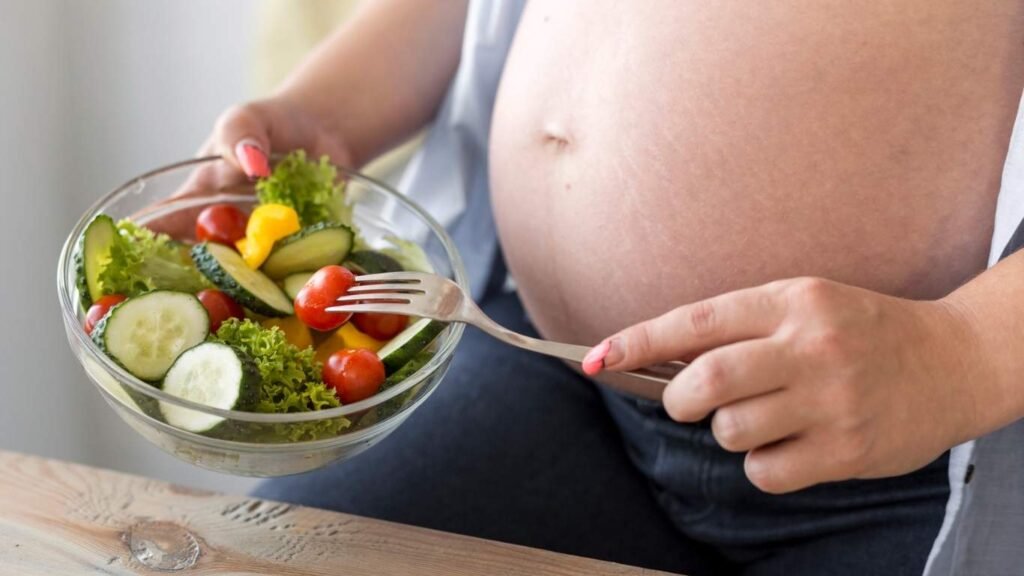
Let’s keep things simple. When it comes to pregnancy, there are a few key nutrients that are really important, and unfortunately, many Pakistani women don’t get enough of them. These nutrients are crucial for a healthy pregnancy, and they include:
Folic acid
It is really important when you’re pregnant, especially in the early stages. It helps prevent birth defects, like problems with the baby’s brain or spine. The thing is, you need to have it in your system before you even get pregnant, because the baby’s neural tube starts to form really early on, often before you even know you’re expecting. You can get folic acid from food, like leafy greens, daal, eggs, and chickpeas. But, to be honest, it’s pretty hard to get enough just from what you eat. That’s why taking a supplement is a good idea. It’s not that diet isn’t important, it’s just that it’s unlikely to give you all the folic acid you need. So, if you’re thinking of getting pregnant, or you already are, make sure you’re taking a supplement to give your baby the best start in life.
Iron
When you’re pregnant, your body needs more iron than usual. This is because your blood volume increases a lot during pregnancy. Many women in Pakistan don’t have enough iron in their bodies even before they get pregnant, and this problem can get worse when they’re expecting. To get more iron, you can eat foods like red meat, chicken, daal, spinach, and cereals that have extra iron added to them. It’s also a good idea to have something with vitamin C, like a glass of nimbu pani or a slice of tomato, with your meals because it helps your body absorb the iron better. One thing to remember is to avoid drinking tea or coffee right after you eat, because they can stop your body from absorbing iron properly. A lot of women aren’t aware of this, so it’s an important tip to keep in mind.
Calcium
Your baby will take what it needs from you whether you supply enough or not. If your diet is low in calcium, it pulls from your bones. Dairy, sesame seeds, almonds, and green vegetables cover this. If you’re lactose intolerant or don’t eat much dairy, talk to your doctor about a supplement.
Protein
When you’re pregnant, your body needs protein to help your baby grow. You can get protein from lots of different foods like daal, eggs, chicken, fish, paneer, and yoghurt. Try to have some protein at every meal, it’s really important. Not only does it help your baby, but it also helps keep your blood sugar levels stable, which is crucial during pregnancy.
Vitamin D
It is really important for women, especially in urban areas of Pakistan. Most women there don’t get enough of it because they’re not outside in the sun very much. Vitamin D helps our bodies absorb calcium and keeps our immune system strong. The problem is, you can’t get enough of it just from food, so taking extra supplements is a good idea. There are some foods that have vitamin D, but it’s not enough to make a big difference.
Early Pregnancy Diet Plan: The First Trimester Is Its Own Challenge
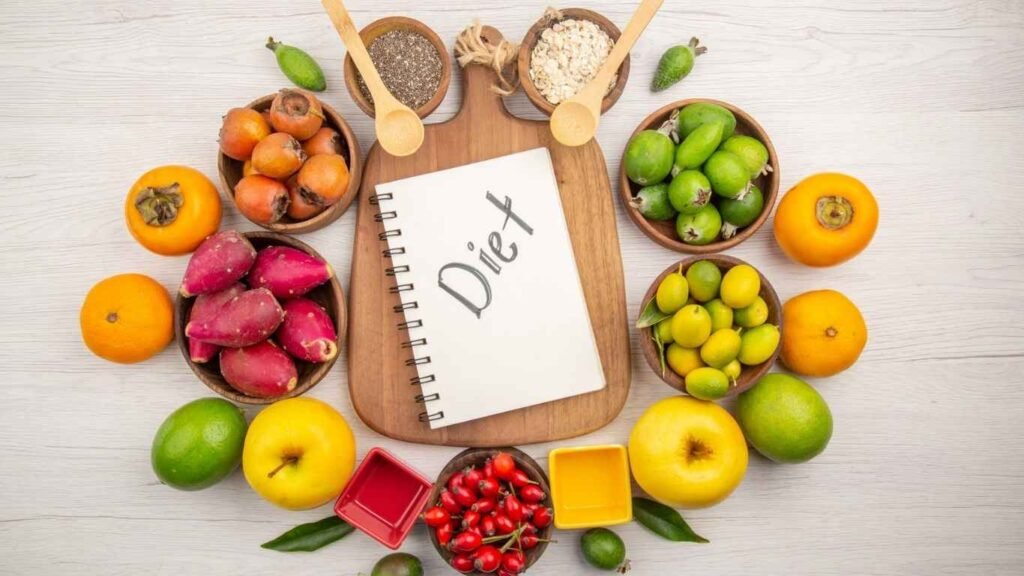
The first trimester is when nutrition matters most for the baby’s development. It’s also when eating feels genuinely awful for a lot of women. Nausea, food aversions, fatigue. This is the trimester where I see women eating nothing but roti and chai for weeks because nothing else is tolerable.
A few things that actually help:
- Eat before you get hungry. An empty stomach makes nausea worse. Keep crackers, a handful of nuts, or a small piece of fruit nearby and eat something every two to three hours even if it’s tiny.
- Ginger genuinely works for nausea. Fresh ginger in warm water, ginger chai without too much milk, ginger biscuits. And the best part is, there’s actual scientific proof that ginger works, it’s not just something that people claim without any evidence.
- Cold foods are usually well received as compared to hot foods in that they have a less intense aroma. Although this might sound strange, it can go a long way in helping women who are extremely averted to food.
- When food intake is small, it is important to take the foods which are acceptable as opposed to the ideal diet. It is only reasonable to live during the first trimester on dull items, there is no need to take spinach or vegetables in case of nausea and vomiting.
The Best Diet for Pregnancy Is One You Can Actually Maintain
This is something I really want to stress. I see pregnancy diet plans online that are so prescriptive and unrealistic that no working woman with a family and a normal life could actually follow them.
Pakistani food, proper home-cooked Pakistani food, is actually excellent for pregnancy. Daal is a nutritional powerhouse. Sabzi provides fibre and micronutrients. Roti gives complex carbohydrates. Yoghurt provides probiotics and calcium. The problems usually come from heavily processed foods, fried snacks, excessive sweets, and sugary drinks, not from daal chawal.
A few practical swaps that make a real difference without turning your whole diet upside down: swap white rice for brown a few times a week. Add a side salad or raita to most meals. Replace one cup of chai with water or a fruit. Choose grilled or baked over fried when you have the choice.
Small changes, consistently applied. That’s what actually works.
What to Avoid: And What You Don’t Need to Obsess Over
Avoid raw or undercooked meat and fish. Avoid unpasteurised dairy. Avoid high-mercury fish, swordfish, king mackerel, shark. Limit liver because it’s very high in Vitamin A and too much causes problems. Limit caffeine to under 200mg per day, roughly one cup of coffee or two to three cups of chai. Avoid alcohol completely. Avoid raw eggs.
You don’t have to worry too much about having a meal that’s not perfectly healthy, or eating out at a clean restaurant, or even having a small treat now and then. Stress is actually really bad for your pregnancy, so try not to get too worked up about every little thing you eat. Having a chocolate biscuit every now and then is not going to hurt your baby, but being anxious all the time can actually be harmful. This is because constant stress can affect your cortisol levels and your sleep, which is not good for you or your baby. So, try to relax and enjoy your pregnancy, and don’t sweat the small stuff when it comes to food.
Eat well most of the time. Give yourself room to be human the rest.
When to See a Nutritionist During Pregnancy
If you have gestational diabetes, a previous complicated pregnancy, multiple pregnancies, a BMI outside the healthy range, or you’re vegetarian or vegan and worried about specific nutrients, see someone rather than trying to navigate it alone. At Vanguard Health Center we work with pregnant women through all trimesters and provide diet plans that are realistic, culturally appropriate, and actually achievable for real Pakistani women with real lives.
A good pregnancy diet plann isn’t a rigid chart you print and stick on the fridge. It’s a living, flexible approach to eating that changes as your pregnancy changes. Month one looks different from month seven. Get proper guidance and adjust as you go.
Frequently Asked Questions
When you’re pregnant, it’s really important to eat foods that are rich in iron, like daal, red meat, and spinach. You should also make sure to get enough folate from green vegetables and eggs. Calcium is crucial too, and you can find it in dairy products, almonds, and sesame seeds. Try to include protein in every meal to keep you and your baby healthy. Instead of eating three big meals a day, opt for smaller, more frequent meals – this can help with nausea, which can make it hard to eat large meals. Luckily, traditional Pakistani home cooking can be a great option during pregnancy, as long as it’s balanced and not too fried.
Folate is the priority; green vegetables, lentils, eggs. Ginger for nausea. Eat every two to three hours rather than waiting for large meals. Don’t force foods that make you feel ill. Survive the first trimester on what you can tolerate, then build from there.
You don’t need that many extra calories when you’re pregnant. In the first few months, it’s hardly any at all. But as you get further along, you’ll need a bit more – around 300-350 extra calories per day. The idea that you’re “eating for two” is actually a myth, and it can lead to gaining too much weight, which isn’t good for you or your baby.
Raw meat and fish, unpasteurised dairy, high-mercury fish, liver in excess, caffeine above 200mg/day, alcohol, and raw eggs. Don’t stress about the occasional imperfect meal.
So, it’s really important to have folic acid when you’re pregnant. A lot of women in Pakistan don’t get enough iron and vitamin D, even if they eat well. That’s why they often need to take extra supplements. But remember, you should always talk to your doctor before taking anything – don’t just decide on your own. They can help you figure out what you need and make sure you’re taking care of yourself and your baby.