
Diet Plan for Diabetic Patient: A Complete Guide to Controlling Blood Sugar Naturally

Nutrition is one of the strongest tools that it has in managing diabetes. A carefully designed diet plan for diabetic patients may help stabilize blood sugar levels, improve energy metabolism, minimize complications, and promote overall well-being.
In Van Guard Health Center, our diabetes experts focus on individualized meal planning since the food has a direct influence on glucose management. Whether you are newly diagnosed, managing long-term diabetes, or following a pre diabetes diet, this guide will help you understand what works, and why.
In This Blog
- Why a Proper Diet Plan for Diabetic Patient Is Essential
- What Should Diabetics Eat?
- Foods That Help Lower Blood Sugar
- 7 Day Diet Plan for Diabetic Patients
- 7 Day Indian Diet Plan for Diabetic Patients
- Pre Diabetes Diet: Preventing Full Diabetes
- How to Build a Sustainable Diet to Lower Blood Sugar
- Common Mistakes Diabetic Patients Make
- Why Choose Van Guard Health Center for Diabetes Management?
- When to See a Diabetes Specialist
- Final Thoughts
- Frequently Asked Questions (FAQs)
Why a Proper Diet Plan for Diabetic Patient Is Essential
Diabetes influences the manner in which your body transfers glucose. Lack of proper dietary control leads to;
- Spikes and crashes in blood sugar level
- Insulin resistance aggravates
- Weight gain aggravates
- Complications become more probable
A medically controlled diet plan to lowe blood sugar focuses on:
- Balanced carbohydrates
- High-fiber foods
- Lean proteins
- Healthy fats
- Limited portion sizes
The goal is not starvation, it’s stability.
What Should Diabetics Eat?

The question which we are asked in Van Guard Health Center the most often is: What should diabetics eat? The following is the basis of a healthy diabetic plate:
High‑Fiber Carbohydrates
Eat slow digesting complex carbs: oats, brown rice, whole wheat roti, quinoa and barley. These avoid spikes of glucose.
Lean Protein Sources
Protein is beneficial in controlling sugar: eggs, fish, skinless chicken, lentils, tofu, and Greek yoghurt.
Healthy Fats
Good fats promote heart: almonds, walnuts, chia seeds, flaxseeds and olive oil.
Non‑Starchy Vegetables
Carb free and nutrient dense: spinach, broccoli, cucumber, cauliflower and bell peppers.
Foods That Help Lower Blood Sugar
Some foods will help in controlling glucose naturally. Incorporating these into your diet plan for diabetic patient can improve results.
- Green vegetables – Low in carb and rich in antioxidants.
- Bitter gourd (karela) – It has a long history of use to enhance insulin sensitivity.
- Fenugreek seeds (methi) – Can lower the amount of fasting blood sugar.
- Cinnamon – This supplement helps in the functioning of insulin as long as it is taken in moderation.
- Nuts – Assist in retarding the absorption of carbohydrates.
- Apple cider vinegar (moderately) – Could lead to insulin response.
These foods are not alternatives to medication but may serve as an addition to a medically prescribed diet that helps to reduce blood sugar.
7 Day Diet Plan for Diabetic Patients
Below is a balanced 7 day diet plan for diabetic patients designed to stabilize glucose levels.
Day 1

Breakfast: Boiled egg and chia seeds in the oats.
Lunch: Roasted chicken and mixed vegetables.
Dinner: Lentil soup with spinach cooked over
Day 2
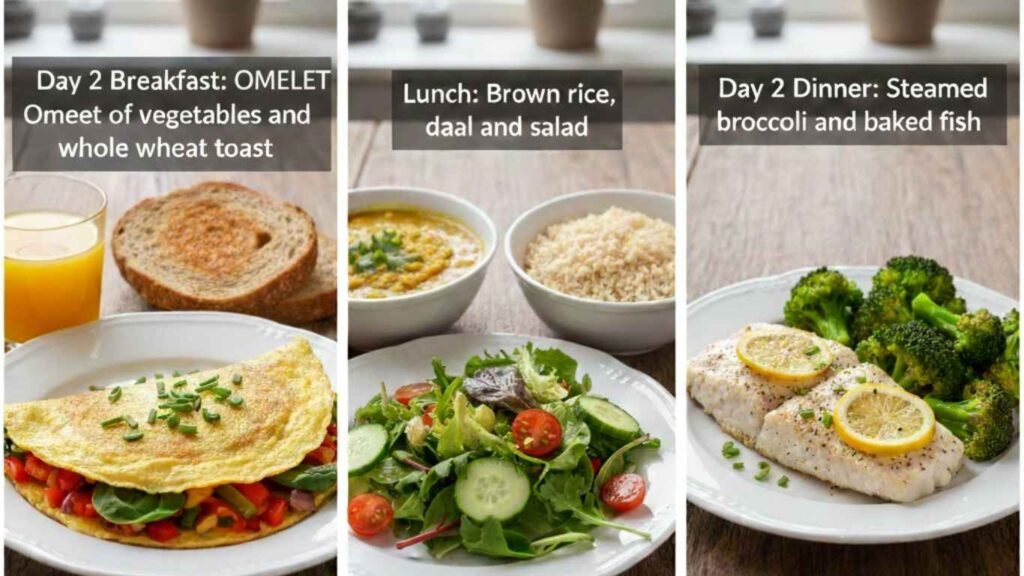
Breakfast: Omelet of vegetables and whole wheat toast.
Lunch: Brown rice, daal and salad.
Dinner: Steamed broccoli and baked fish.
Day 3
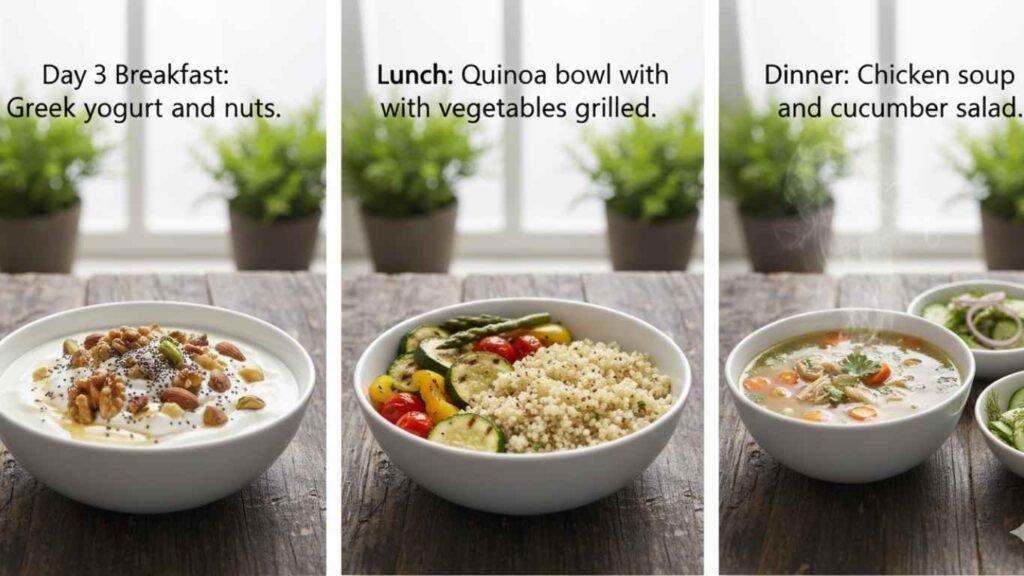
Breakfast: Greek yoghurt and nuts.
Lunch: Quinoa bowl with vegetables grilled.
Dinner: Chicken soup and cucumber salad.
Day 4
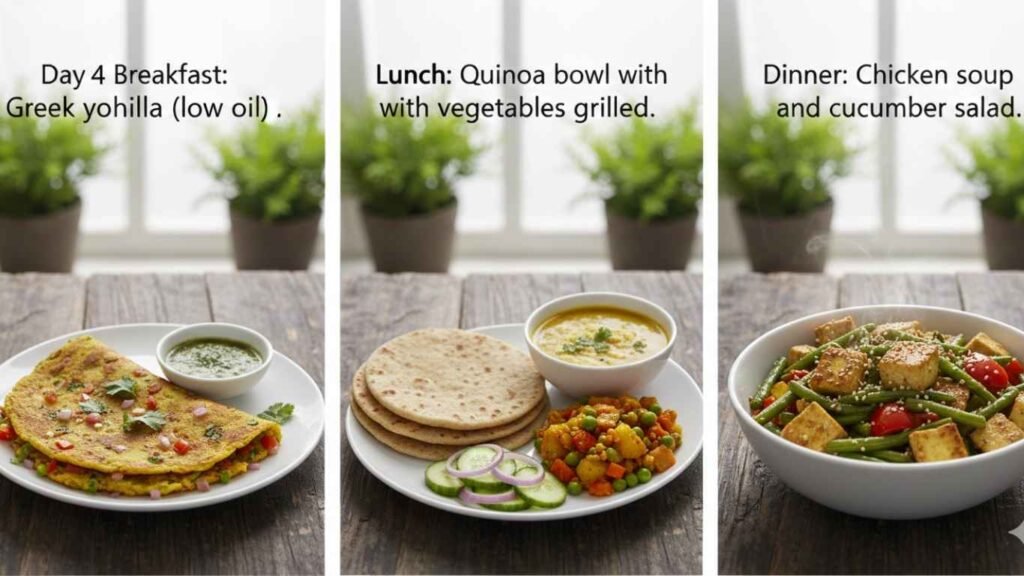
Breakfast: Besan chilla (low oil).
Lunch: Whole wheat roti and sabzi, daal.
DInner: Stir fried tofu and green beans.
Day 5

Breakfast: Almond milk mixed with berries and blended to a smoothie.
Lunch: Spinach and fish grilled.
Dinner: Paneer vegetable soup.
Day 6
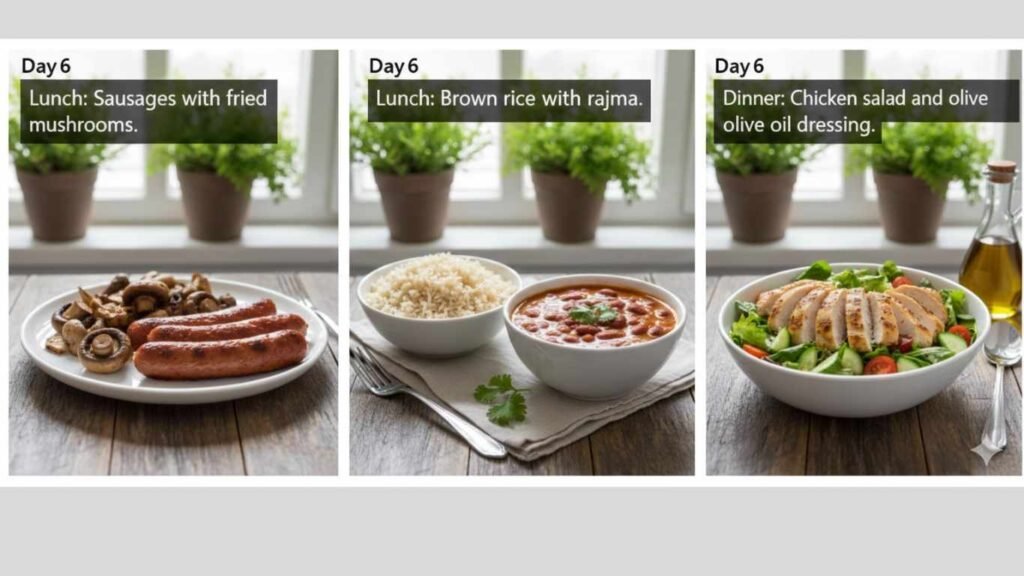
Lunch: Sausages with fried mushrooms.
Lunch: Brown rice with rajma.
Dinner: Chicken salad and olive oil dressing.
Day 7
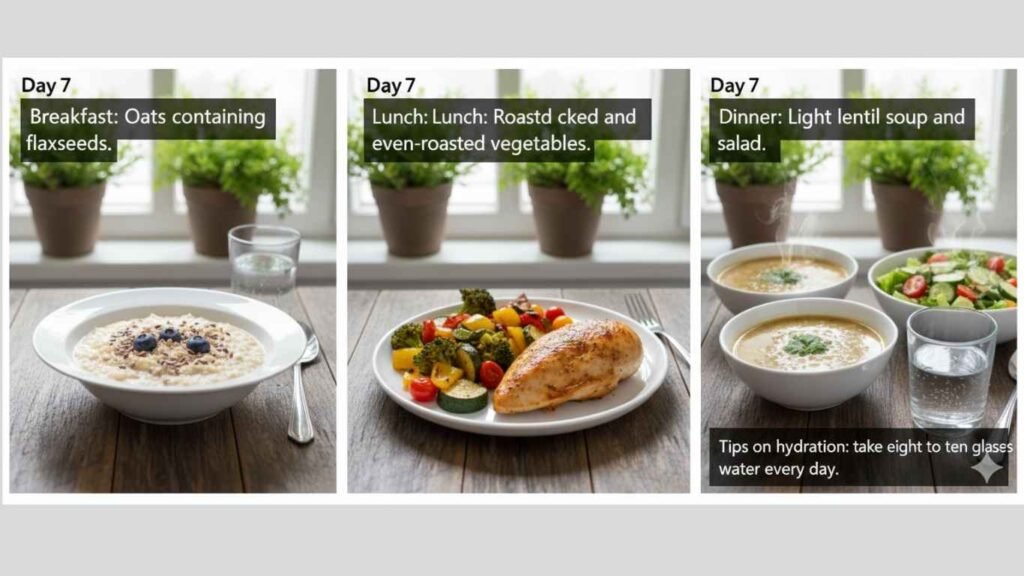
Breakfast: Oats containing flaxseeds.
Lunch: Roasted chicken and even-roasted vegetables.
Dinner: Light lentil soup and salad.
Tips on hydration: take eight to ten glasses of water every day.
7 Day Indian Diet Plan for Diabetic Patients
For those preferring traditional meals, here is a structured 7 day Indian diet plan for diabetic patients:
Breakfast Options (Rotate)
- Vegetable upma (minimal oil)
- Moong daal chilla
- Oats porridge
- Idli with sambar (controlled portion)
- Poha with vegetables
Lunch Options
- 1–2 whole wheat rotis
- Brown rice (small portion)
- Daal
- Sabzi (non-starchy vegetables)
- Salad
Dinner Options
- Vegetable soup
- Grilled paneer
- Chicken curry (low oil)
- Stir-fried vegetables
Avoid:
- Fried snacks
- Sugary drinks
- Refined flour products
- Sweets and desserts
This structured approach helps maintain consistency in glucose levels.
Pre Diabetes Diet: Preventing Full Diabetes
If you’ve been diagnosed with prediabetes, you still have time to reverse the condition.
A strong pre diabetes diet focuses on:
- Reducing refined carbohydrates
- Increasing fiber intake
- Losing 5–10% body weight
- Eating smaller frequent meals
- Avoiding sugary beverages
Lifestyle changes at this stage can significantly reduce the risk of developing Type 2 diabetes.
How to Build a Sustainable Diet to Lower Blood Sugar
A successful diet to lower blood sugar includes:
Portion Control
Even healthy food can spike sugar if overeaten.
Balanced Plate Rule
- 50% vegetables
- 25% lean protein
- 25% whole grains
Smart Snacking
Choose:
- Handful of nuts
- Boiled egg
- Roasted chickpeas
- Unsweetened yogurt
Avoid:
- Packaged juices
- Biscuits
- Fried snacks
Common Mistakes Diabetic Patients Make
Even with a diet plan for diabetic patient, mistakes happen:
- Skipping meals
- Overeating fruit
- Ignoring portion sizes
- Relying only on “sugar-free” labels
- Not monitoring blood glucose
Medical supervision ensures better outcomes.
Why Choose Van Guard Health Center for Diabetes Management?
Diet plans should not be generic.
At Van Guard Health Center, we offer:
✔ Personalized nutrition plans
✔ Blood sugar monitoring guidance
✔ Specialist consultations
✔ Medication + diet alignment
✔ Long-term diabetes management programs
Our intention is not to reduce sugar only in the short run, but to create a sustainable health.
When to See a Diabetes Specialist
In case of high fasting sugar, the rise of HbA1C levels, frequent fatigue, irregular weight changes, or pre-diabetes, you need to consult a specialist.
Complications can be avoided by early intervention.
Final Thoughts
A properly designed diet plan for a diabetic patient can change your health. Regardless of whether you are on a 7 day diet plan for diabetic patients, a 7 day Indian diet plan for diabetic patients, pre diabetes diet, or just concentrating on foods that help in reducing blood sugar level, steadiness is important.
Food is not the enemy. Poor planning is.
At Van Guard Health Center, we combine medical expertise with practical nutrition guidance to help you take control of your blood sugar, safely and effectively.
Frequently Asked Questions (FAQs)
A perfect meal plan for a diabetic patient is high-fiber carbohydrates, low-fat protein foods, healthy fats, and non-starchy veggies. A balanced diet and strict control of portions helps in stabilizing glycaemic levels. Furthermore, personalized schemes worked out by the diabetes experts produce better outcomes in the long run.
Healthy foods like nuts and olive oils, whole grains, leafy green vegetables, lean proteins like fish, eggs, and lentils, and whole grains, should be consumed on a regular basis by individuals with diabetes. To avoid acute increases in glucose levels, they ought to limit the intake of refined sugars, processed foods, and surplus carbohydrates.
Food that helps to reduce the level of blood sugar in the body are leafy greens, bitter gourd (karela), fenugreek seeds (methi), cinnamon (taken sparingly), nuts, and fiberous whole grains. These foods contribute to insulin sensitivity with proper medical therapy.
The seven days dietary plan designed in a systematic manner can be effective in the regulation of glucose levels by ensuring a constant intake of carbohydrates, balanced nutrition and moderate portions among diabetic individuals. However, a competent medical practitioner must be in charge of such a plan.
Yes. A 7 day Indian diet plan for diabetic patients includes whole wheat roti, brown rice (controlled portions), daal, sabzi, grilled paneer, chicken, and fiber-rich vegetables while avoiding fried foods and sweets.
A pre-diabetes diet plan is aimed at limiting the amount of refined carbohydrates intake, enhancing the quantity of fiber in the diet, upholding the portion size, and keeping a healthy weight. Preventive measures can be taken by early changes in diet to stop type 2 diabetes.
Low-glycaemic food, as well as high-fiber and low-fibre vegetables, low-fat and low-protein foods, and little processed sugar, combine into a rapid-low-blood sugar diet. Proper hydration and proper timing of meals is also very crucial.
No. It is not necessary that diabetic patients can abandon carbohydrates, although the types of carbohydrates they should consume are complex and high in fiber content, the size of the portions is to be controlled. A balanced intake of carbohydrates is more efficient as compared to rigid elimination.
A majority of diabetic patients use balanced foods in the form of three meals daily along with one to two small healthy snacks per day, which will eliminate the chances of sudden glucose spikes and glucose lows.
When the glycaemic control is not appropriate, the level of HbA1c increases, or the symptoms of fatigue and frequent urination do not disappear, it is always possible that a patient requires urgent consultation with a specialist in diabetes to plan his/her treatment and diet.